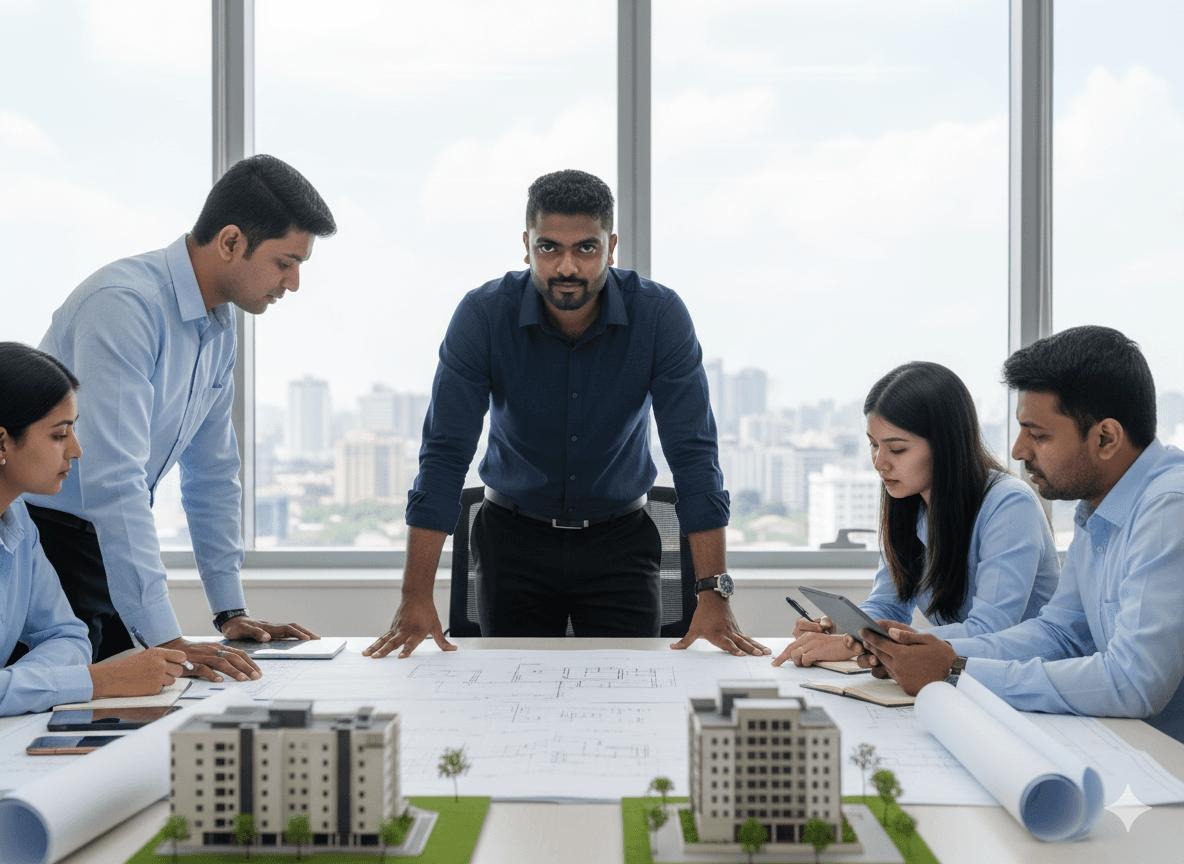
Planning to construct a commercial property is a major investment, and the decisions you make before construction begins can influence the building’s cost, functionality, appearance, and long-term value. Whether you are planning an office, retail space, showroom, restaurant, rental property, warehouse, or a mixed-use building, careful planning is essential before moving from an idea to construction.
Choosing the right location, understanding your budget, checking approvals, selecting suitable materials, and working with an experienced construction team can make the entire process more organized and predictable. This is why anyone planning Commercial Building Construction Tenkasi should take time to ask the right questions before starting the project.
Instead of focusing only on how the finished building will look, think about how it will perform for years. A successful commercial building should meet your business requirements, provide a comfortable environment for customers and employees, follow applicable regulations, and remain practical to maintain.
Here are 10 important questions to ask before choosing a commercial building construction plan and construction company in Tenkasi.
1. Is the Location Suitable for My Business?
Location is one of the first things you should evaluate before starting commercial construction. A visually impressive commercial building may not deliver the expected value if it is located in an area that does not suit your target customers, employees, suppliers, or day-to-day business operations.
Before finalising the location, consider:
• Road Connectivity
• Customer Accessibility
• Visibility from the Main Road
• Parking Availability
• Nearby Residential and Commercial Areas
• Future Development in the Surrounding Location
• Availability of Electricity and Water
• Transportation Facilities
Road connectivity and customer accessibility can have a direct impact on how easily people can reach your business. A location with convenient access can be particularly important for retail stores, restaurants, clinics, offices, and other customer-focused businesses.
2. What Is My Complete Construction Budget?
Before you start commercial construction, one of the first questions you should ask yourself is: “Do I have a realistic budget for the entire project?” Building a commercial property involves much more than the cost of constructing walls, floors, and a roof. If the budget is not planned properly at the beginning, unexpected expenses can affect the construction schedule, material selection, and overall quality of the project.
A commercial building is a long-term investment, so your budget should be prepared by considering both immediate construction expenses and future requirements. The type of business, building size, number of floors, design complexity, quality of materials, site conditions, interiors, electrical requirements, and safety systems can all influence the final cost.
Your overall budget may need to cover:
• Land-Related Expenses
• Architectural and Design Fees
• Construction Materials
• Labour Costs
• Electrical and Plumbing Work
• Interior Requirements
• Approvals and Documentation
• Parking and External Development
• Safety Systems
• Contingency Expenses
The cost of construction materials can vary depending on the quality and specifications you choose. Similarly, specialised requirements for restaurants, clinics, showrooms, offices, warehouses, or commercial complexes can increase the project budget. Electrical capacity, plumbing systems, air-conditioning, fire safety, lifts, security systems, and other facilities should also be considered during the planning stage.
3. What Type of Commercial Building Do I Need?
Before discussing designs, floor plans, or construction costs, clearly define the purpose of your commercial building. The type of property you plan to construct will influence its layout, space requirements, parking, electrical systems, plumbing, safety features, and overall design.
Are you planning:
• A Retail Showroom?
• An Office Building?
• A Restaurant?
• A Commercial Complex?
• A Warehouse?
• A Clinic?
• A Rental Property?
• A Mixed-Use Building?
Each type of commercial property has different planning requirements. For example, a showroom may require excellent visibility, customer parking, attractive display areas, and easy access from the main road. An office building may need efficient workspaces, meeting rooms, ventilation, lighting, networking facilities, and sufficient electrical infrastructure.
4. Have I Checked the Required Approvals and Regulations?
Commercial construction involves more than simply purchasing land and beginning construction. Before starting work, you should understand the building permissions, planning requirements, zoning conditions, safety provisions, and other applicable approvals related to your project.
The requirements may vary depending on the location, plot size, building type, number of floors, intended use, and applicable local regulations. Therefore, it is important to clarify these matters before finalising your design or starting construction.
Before construction begins, ask your construction professional:
• What Approvals Are Required?
• Who Will Handle the Documentation?
• Are There Any Restrictions on the Property?
• Are There Requirements Related to Road Access or Setbacks?
• Are Fire and Safety Provisions Required?
• Does the Proposed Building Comply with Applicable Regulations?
You should also ensure that the property documents, proposed building plans, and required permissions are properly reviewed before construction begins. Identifying issues at an early stage can help avoid redesigns, delays, additional expenses, and other complications during the project..
5. Is the Building Designed for Future Growth?
A commercial building should not only meet your business requirements today. Have you thought about where your business could be five or ten years from now? As your business grows, your space, equipment, storage, parking, and infrastructure requirements may also change.
You may eventually need:
• Additional Office Space
• More Parking
• Larger Storage Areas
• Additional Floors
• More Electrical Capacity
• New Equipment
• Larger Customer Areas
For example, a growing company may need additional workstations and meeting rooms, while a retail business may require larger customer areas or additional storage. A warehouse may need more loading space and storage capacity as the volume of goods increases.
6. Are the Materials Suitable for the Building?
The cheapest material is not always the most economical choice in the long run. A commercial building experiences regular use, so material quality, durability, safety, and maintenance requirements should be carefully considered before making a decision.
Choosing suitable materials can help improve the building's long-term performance and reduce frequent repairs, replacements, and maintenance expenses. The right choice will depend on the building's purpose, local conditions, design, expected usage, maintenance requirements, and available budget.
Discuss the following materials and specifications with your construction team:
• Concrete Quality
• Steel Specifications
• Flooring Materials
• Doors and Windows
• Roofing Systems
• Electrical Materials
• Plumbing Systems
• Paint and Finishing Materials
Different commercial properties may require different material specifications. A warehouse may need strong and durable flooring, while a showroom may place greater importance on attractive flooring, doors, windows, and finishes. Similarly, restaurants and clinics may require plumbing, drainage, electrical, and finishing materials that can handle frequent use and regular maintenance.
7. Have I Chosen the Right Construction Company?
The construction company you choose can significantly influence the quality, timeline, cost, and overall progress of your commercial building project. Even with a well-prepared design and budget, poor project management or lack of experience can lead to delays, quality issues, and unexpected expenses.
Before selecting a contractor, ask about:
• Previous Commercial Projects
• Construction Experience
• Project Management Process
• Quality-Control Practices
• Estimated Timeline
• Material Sourcing
It is useful to review the company's previous commercial projects to understand the quality of its workmanship, finishing, planning, and execution. Experience with projects similar to yours can also help the construction team anticipate common challenges and manage them more effectively.
8. What Is the Expected Construction Timeline?
Time is particularly important for commercial projects because construction delays can affect business plans, rental income, opening dates, employee arrangements, customer operations, and financing commitments. A delay of even a few weeks can sometimes create additional costs, especially when the building is intended to generate business or rental income.
Before signing a construction agreement, discuss the expected project timeline with your construction team. Make sure you understand how the work will progress from the initial planning stage to final completion.
Ask:
• When Will Construction Begin?
• What Are the Major Project Stages?
• How Long Is Each Stage Expected to Take?
• How Will Material Delays Be Handled?
• What Happens If There Are Unexpected Site Issues?
• Who Will Monitor Project Progress?
A commercial construction project may involve several stages, including site preparation, foundation work, structural construction, masonry, roofing, electrical and plumbing installation, interior and exterior finishing, inspection, and final handover. Each stage may depend on the successful completion of the previous one, so proper scheduling is important.
Material availability can also affect the timeline. Delays in sourcing construction materials, changes in specifications, labour availability, weather conditions, or unexpected site issues may require adjustments to the original schedule. Discussing how such situations will be managed can help avoid confusion later.
9. How Will Quality Be Checked During Construction?
Quality control should happen throughout the construction process—not just after the building is completed. Every stage of a commercial building project can affect its strength, safety, appearance, and long-term performance. Identifying problems early is usually easier and less expensive than correcting them after the work is completed.
Ask how the construction team will monitor:
• Foundation Work
• Structural Elements
• Concrete Work
• Steel Reinforcement
• Waterproofing
• Electrical Installation
• Plumbing
• Flooring
• Finishing Work
Foundation and structural work require particular attention because they form the basic strength of the building. Concrete placement, steel reinforcement, curing, and other structural activities should be properly supervised according to the approved design and required specifications.
10. Will the Building Be Easy to Maintain?
A commercial building is a long-term investment, so construction should focus not only on how the property looks when it is completed but also on how easy and affordable it will be to maintain over the years. A building that is difficult to clean, repair, or access can result in higher maintenance costs and operational problems.
Before finalising the design, think about:
• Cleaning Requirements
• Electrical Maintenance
• Plumbing Access
• Waterproofing
• Air-Conditioning Systems
• Exterior Maintenance
• Drainage
Easy access to electrical panels, plumbing lines, drainage points, and air-conditioning systems can make future inspections and repairs more convenient. Proper waterproofing and drainage planning can also help protect the building from moisture-related problems and reduce the risk of costly repairs.
Why Asking These Questions Matters Before Commercial Construction
Commercial construction involves many connected decisions. Changing an important decision after construction begins can sometimes increase costs and extend the project timeline.
Asking these questions before starting helps you understand your project more clearly. It can also help you communicate your expectations to your architect, engineer, contractor, and other professionals.
Most importantly, do not hesitate to ask questions about anything you do not understand. A reliable construction team should be willing to explain the process, estimated costs, materials, timelines, and responsibilities clearly.
How to Choose a Commercial Construction Partner in Tenkasi
Once you understand your requirements, the next step is finding a construction company capable of delivering your project.
Look for a team that offers:
• Clear Communication
• Transparent Project Estimates
• Experienced Professionals
• Proper Construction Planning
• Quality Materials
• Skilled Workmanship
• Regular Project Supervision
• Attention to Safety
• Timely Project Management
• Post-Construction Support
Before making your final decision, compare companies based on experience, quality, communication, project approach, and overall value rather than price alone.
A strong construction partner should work with you to transform your requirements into a practical and durable commercial property.
Frequently Asked Questions
1. How do I choose the right commercial construction company in Tenkasi?
Start by checking the company’s previous projects, construction experience, quality practices, communication process, project timelines, and pricing transparency. Choose a team that understands your requirements and can provide a structured approach to the complete project.
2. What should I consider before starting a commercial building project?
You should consider the location, building purpose, budget, design, approvals, construction materials, expected timeline, future expansion, quality control, and long-term maintenance requirements before beginning construction.
3. How can I control the cost of commercial building construction?
Start with a detailed project plan and realistic budget. Discuss material specifications, labour costs, design requirements, approvals, and possible additional expenses with your construction team before construction begins. Keeping a contingency amount can also help manage unexpected costs.
Final Thoughts
Building a commercial property is a significant decision that requires careful planning, realistic budgeting, quality materials, and the right construction partner. From selecting the location and defining the purpose of the building to checking approvals, planning for future expansion, and considering maintenance, every decision can influence the success of your project.
If you are planning Commercial Building Construction Tenkasi, take the time to ask these 10 questions before making your final decisions. The right preparation today can help you avoid unnecessary problems, control your investment, and create a commercial building that supports your business for years to come.
Planning your commercial building project in Tenkasi? Contact us today to discuss your construction requirements, project goals, budget, and building plans. Let’s take the right steps toward creating a strong, functional, and professionally planned commercial space.