
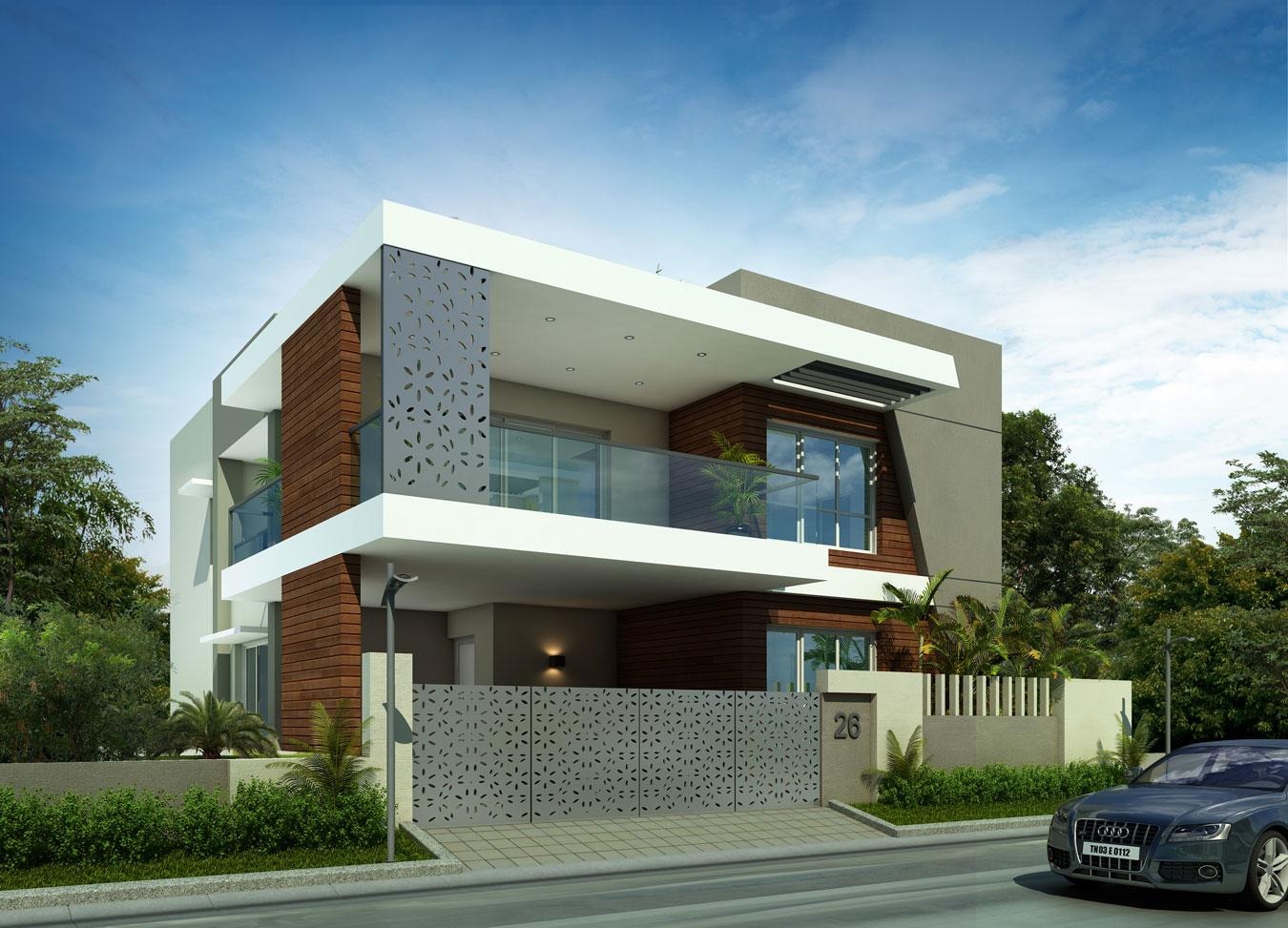
Building a home is one of the biggest decisions you will make in your lifetime. It is not simply about putting together walls, rooms, doors, and windows-it is about creating a space where your family can live comfortably, safely, and happily for years to come. If you are planning to build your dream house in Tenkasi, taking the time to understand every stage of construction can help you avoid unnecessary expenses, delays, and design mistakes.
Is Your Plot Suitable for Building Your Dream Home?
Choosing the right Home Construction Service Tenkasi can make the entire process more organized and stress-free. From selecting the right plot and preparing the design to choosing quality materials, managing workers, and completing the finishing work, professional guidance can make a significant difference.
Before you begin construction, there are several important factors you should think about. Your budget, home design, location, materials, timeline, future requirements, and construction quality all need careful consideration. A well-planned home is not only attractive but also durable, functional, and suitable for your family's lifestyle.
So, what should you know before turning your house plan into reality? Let us explore the important things to consider before starting your home construction project in Tenkasi.
The first step in home construction is understanding whether your plot is suitable for the type of home you want to build. A well-designed house needs the right land conditions, accessibility, utilities, and legal clearances. Even the best house plan can become difficult or expensive to execute if the plot has limitations that are not identified early.
Before starting construction, consider:
• Plot Size and Shape
• Road Accessibility
• Soil Condition
• Water Availability
• Drainage Facilities
• Electricity Connection
• Surrounding Development
• Legal Documentation
• Local Building Requirements
The size and shape of the plot can influence the overall house layout, room sizes, parking arrangements, open spaces, and future expansion possibilities. Road accessibility is equally important because construction vehicles, material deliveries, and workers need convenient access to the site.
Soil condition should also be evaluated before foundation work begins. Understanding the soil characteristics can help determine an appropriate foundation design. Similarly, checking the availability of water, electricity, and proper drainage facilities can help avoid practical difficulties during construction and after moving into the home.
You should also verify the property's legal documentation and applicable local building requirements before beginning construction. Confirming these details in advance can help reduce delays and avoid complications during the approval and construction process.
What Type of Home Do You Want to Build?
Before discussing construction costs, decide what kind of home you actually want. Your requirements may be very different from those of another family.
Think about how you currently live and how your needs may change in the future.
For example, you may want:
• Plot Size and Shape
• Road Accessibility
• Soil Condition
• Water Availability
• Drainage Facilities
• Electricity Connection
• Surrounding Development
Your lifestyle should influence the design. If you work from home, you may need a separate office. If you have elderly family members, accessibility and ground-floor bedrooms may be important. If your family is growing, additional rooms or expandable spaces could be useful.
Planning these requirements early helps create a home that remains practical for many years.
Set a Realistic Construction Budget
Budget planning is one of the most important steps when building a home. A well-planned budget helps you avoid financial pressure, manage construction expenses, and make better decisions throughout the project. Many homeowners focus only on the basic construction cost, but several additional expenses can influence the final budget.
Your overall construction budget may cover land preparation, architectural and design expenses, approval-related costs, foundation work, structural construction, electrical installation, plumbing, flooring, doors and windows, painting, kitchen work, bathroom fittings, exterior development, water and drainage arrangements, labour, and transportation.
Your overall budget may include:
• Land Preparation
• Architectural and Design Expenses
• Approval-Related Costs
• Foundation Work
• Structural Construction
• Electrical Installation
It is also wise to maintain an emergency budget for unexpected expenses. Construction projects can sometimes involve changes in material prices, additional work, or site-related challenges.
Instead of choosing a contractor solely because of a low quotation, compare what is actually included in the estimate. A transparent quotation makes it easier to understand where your money is going.
Choose the Right Home Construction Service Tenkasi
The Home construction company you choose can have a major impact on the quality and overall experience of your project. A reliable construction team should understand your requirements, communicate clearly, maintain quality standards, and manage the project responsibly.
When evaluating a construction service, consider:
• Land Preparation
• Architectural and Design Expenses
• Approval-Related Costs
• Foundation Work
• Structural Construction
• Electrical Installation
• Plumbing
• Flooring
It is also important to keep a separate amount as an emergency or contingency budget. Unexpected site conditions, changes in material prices, design modifications, additional work, or other construction challenges may increase the overall cost. Having a reserve fund can help you handle these situations without disrupting the project.
When comparing construction quotations, do not choose a contractor simply because they offer the lowest price. Check what services, materials, labour, and finishing work are included in the quotation. A detailed and transparent estimate allows you to understand how the budget is being allocated and helps prevent unexpected costs later.
focus on Natural Light and Ventilation
Good ventilation helps reduce stuffiness and keeps indoor spaces more comfortable. Natural light can also make rooms appear more spacious, welcoming, and pleasant during the daytime. Proper planning may help reduce dependence on electric lights and cooling systems, which can contribute to better energy efficiency.
Different rooms may require different approaches. Bedrooms can benefit from comfortable airflow and suitable morning or evening light, while kitchens and bathrooms need effective ventilation to manage heat, moisture, and odours.
These decisions are much easier and more cost-effective to implement during the initial planning and design stage. Once construction is completed, changing window locations, ventilation openings, or room layouts can be difficult and expensive.
Working with an experienced architect or construction professional can help you plan the orientation, openings, and internal layout effectively, creating a home that is brighter, fresher, more comfortable, and better suited to everyday living.
Select Construction Materials Carefully
The quality of construction materials directly influences the strength, durability, safety, appearance, and maintenance requirements of your home. Choosing suitable materials at the planning stage can help improve the overall performance of the building and reduce the need for frequent repairs in the future.
Some of the important materials used in home construction include:
• Cement
• Steel
• Bricks or Blocks
• Concrete
• Flooring Materials
• Electrical Components
• Plumbing Materials
• Doors and Windows
• Paints and Coatings
Each material has a different purpose and should be selected according to the specific requirements of your project. For example, good-quality steel and concrete are important for structural strength, while suitable plumbing and electrical materials can improve safety and long-term reliability. Flooring, doors, windows, paints, and finishing materials also contribute to the comfort and appearance of the completed home.
Do not choose construction materials based only on low price or appearance. Consider factors such as durability, quality, performance, maintenance requirements, climate suitability, and compatibility with other building materials. Cheaper materials may sometimes lead to higher maintenance or replacement costs later.
It is also important to purchase materials from reliable suppliers and ensure that the required quality standards are followed. Proper storage at the construction site is equally important because cement, steel, electrical components, plumbing materials, and finishing products can be affected by moisture, improper handling, or poor storage conditions.
Think About Safety and Security
A home should be beautiful and comfortable, but safety should always come first. Safety planning should begin during the design and construction stages rather than being treated as an afterthought. A well-planned home can reduce potential risks and provide a safer environment for everyone in the family.
Important safety features to consider include:
• Strong Doors and Windows
• Proper Electrical Installation
• Adequate Indoor and Outdoor Lighting
• Safe Staircase Design
• Proper Drainage Arrangements
• Secure Parking Areas
• Strong Gates and Boundary Walls
• CCTV Installation Points
• Smart-Home Wiring
If you have children or elderly family members, additional attention should be given to accessibility and accident prevention. Non-slip flooring, suitable railing heights, well-lit staircases, accessible pathways, and properly designed bathrooms can make daily movement safer and more convenient.
Electrical safety is another important consideration. Proper wiring, suitable switches, circuit protection, and sufficient electrical points should be planned according to the home's current and future requirements. Similarly, good drainage and waterproofing can help prevent water-related problems that may affect the structure over time.
Security should also be considered while planning the property. Gates, boundary walls, CCTV points, video doorbells, security lighting, and smart-home systems can be incorporated into the design without affecting the overall appearance of the home.
Your home should not only meet your needs today.
Why Professional Construction Support Matters
Professional support also helps ensure that the construction work follows the approved design and required standards. Engineers, architects, supervisors, and skilled workers can coordinate different activities and identify potential issues before they become major problems.
A reliable team can also help you make informed decisions about materials, design changes, construction methods, budget management, and future requirements. Regular supervision and quality checks can improve the overall consistency of the work.
Most importantly, professional construction support gives homeowners better visibility throughout the project. With proper communication, progress updates, transparent costing, and organised execution, the home-building process can become more manageable and less stressful.
Choosing the right construction team is therefore an important investment in the quality, safety, durability, and long-term value of your home.
Frequently Asked Questions
1. How do I choose the right home construction service in Tenkasi?
Look for a construction team with relevant residential experience, transparent pricing, quality workmanship, proper project supervision, and good communication. Review previous projects and clearly understand the scope of work before making your decision.
2. How much should I budget for building a home in Tenkasi?
The total cost depends on factors such as plot size, built-up area, design, number of floors, material selection, structural requirements, and finishing choices. It is best to prepare a detailed project estimate based on your specific requirements rather than relying on a general figure.
3. How long does it take to construct a house?
The timeline depends on the size and complexity of the home, site conditions, design, availability of materials and labour, weather, and finishing requirements. A professional construction team can provide a project-specific timeline after understanding your plans.
Conclusion
Building your dream home is an exciting journey, but successful construction begins long before the first brick is placed. Choosing the right plot, creating a practical design, setting a realistic budget, selecting quality materials, planning future requirements, and maintaining proper construction supervision can make a major difference to the final result.
Choosing a dependable Home Construction Service Tenkasi can help bring all these elements together while making the construction process more organized and manageable. Your home deserves careful planning, quality workmanship, and attention to every important detail.
If you are planning to build your dream home in Tenkasi, don't leave important decisions to chance. Contact us today to discuss your home construction requirements and take the first step toward creating a strong, comfortable, and beautiful home for your family.